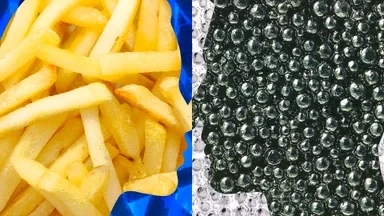
If modern dating wasn’t already tricky enough, the internet has fallen headfirst into a craze for hyper-niche compatibility tests and endless categorization of every possible mismatch between romantic partners. Dozens of these viral so-called “relationship gaps” have blown up across social platforms like TikTok in recent years, and the latest trend turning public opinion against itself is the “restaurant gap.”
The New York Times describes a restaurant gap as a fundamental misalignment between two people when it comes to eating out: mismatched food preferences, conflicting spending habits, and differing levels of curiosity for new culinary experiences. This gap can show up in countless forms: think a notoriously picky eater dating an adventurous foodie, or someone who constantly refreshes Resy to chase hard-to-score reservations paired with a person who doesn’t care where they eat, as long as they get served food eventually.
For many social media users, this dynamic rings painfully true. “As someone who doesn’t often enjoy fine dining, I will not continue a relationship with someone that loves it,” one user shared on X, responding to a thread on the topic from Elena Burger, a new media writer for Andreessen Horowitz.
In the same thread, Burger shared a screenshot of a message she received on the dating app Hinge, which read in part: “What if I said I’d take you to Nobu Malibu for oceanview drinks . . . ?” Burger followed up the screenshot with a quick joke: “I take back everything I said. Restaurant gaps are real.” Another X user replied simply, “Lost me at Nobu.”
While age gaps and wage gaps have long been mainstream terms to describe relationship dynamics, a flood of new, niche “gap” labels have taken over social media feeds in recent years. One of the most famous examples is the “swag gap,” which refers to a relationship with a major imbalance in personal style and perceived coolness between the two partners.
Restaurant Gap Sparks Dating Debate